




L'ALBA FASHION SHOW
-


 FASHION SHOWLinen Knit SweaterSize XSSMLRegular price $2,000Regular priceUnit price per
Linen Knit Sweater
Regular price $2,000Regular priceUnit price per -


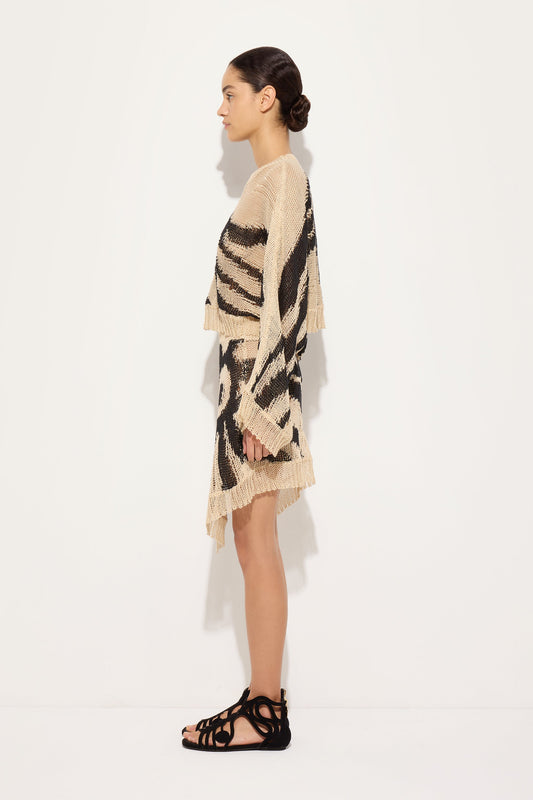


Marmo print Linen Asymmetrical Skirt
Regular price $1,600Regular priceUnit price perMarmo print Linen Asymmetrical Skirt
Regular price $1,600Regular priceUnit price per -


 FASHION SHOWMarmo print Linen PantsSize XSSMLRegular price $1,850Regular priceUnit price per
Marmo print Linen Pants
Regular price $1,850Regular priceUnit price per -


Capriccio Rafia Bag
Regular price $1,600Regular priceUnit price perCapriccio Rafia Bag
Regular price $1,600Regular priceUnit price per -


 FASHION SHOWLinen Long Dress with Asymmetrical SkirtSize XSSMLRegular price $3,800Regular priceUnit price per
Linen Long Dress with Asymmetrical Skirt
Regular price $3,800Regular priceUnit price per -


Horn-Shaped Bangle
Regular price $1,100Regular priceUnit price perHorn-Shaped Bangle
-


Linen Short Dress
Regular price $2,500Regular priceUnit price perLinen Short Dress
Regular price $2,500Regular priceUnit price per -


 FASHION SHOWHorn-Shaped EarringSize OSRegular price $645Regular priceUnit price per
Horn-Shaped Earring
-


 FASHION SHOWLinen KaftanSize XSSMLRegular price $3,650Regular priceUnit price per
Linen Kaftan
Regular price $3,650Regular priceUnit price per -
-


 FASHION SHOWShield Ring SetSize OSRegular price $1,350Regular priceUnit price per
Shield Ring Set
Regular price $1,350Regular priceUnit price per -


L'Alba Gold Bracelet
Regular price $3,300Regular priceUnit price perL'Alba Gold Bracelet
Regular price $3,300Regular priceUnit price per -


Cotton T-shirt with Printed Detail
Regular price $1,250Regular priceUnit price perCotton T-shirt with Printed Detail
-


 FASHION SHOWFlowing Pants with Printed BeltSize 384042444648Regular price $1,600Regular priceUnit price per
Flowing Pants with Printed Belt
-


Bongo Print Silk Carrè
Regular price $630Regular priceUnit price perBongo Print Silk Carrè
Regular price $630Regular priceUnit price per -


 FASHION SHOWPucci Fishtail Special Edition SS26 SunglassesSize OSRegular price $645Regular priceUnit price per
Pucci Fishtail Special Edition SS26 Sunglasses
Regular price $645Regular priceUnit price per -


 FASHION SHOWLamè Top in MarmoSize 38404244Regular price $2,150Regular priceUnit price per
Lamè Top in Marmo
Regular price $2,150Regular priceUnit price per -


 FASHION SHOWMarmo Print Lamè SkirtSize 38404244Regular price $2,650Regular priceUnit price per
Marmo Print Lamè Skirt
Regular price $2,650Regular priceUnit price per -


 FASHION SHOWMarmo Print Lamè Asymmetrical DressSize 384042Regular price $3,000Regular priceUnit price per
Marmo Print Lamè Asymmetrical Dress
Regular price $3,000Regular priceUnit price per -


Embellished Gladiator Sandals
Regular price $4,800Regular priceUnit price perEmbellished Gladiator Sandals
Regular price $4,800Regular priceUnit price per -


 FASHION SHOWMarmo Print Lamè Dress with BeltSize 38404244Regular price $2,500Regular priceUnit price per
Marmo Print Lamè Dress with Belt
Regular price $2,500Regular priceUnit price per -


 FASHION SHOWGold Leather BeltSize OSRegular price $3,000Regular priceUnit price per
Gold Leather Belt
Regular price $3,000Regular priceUnit price per -


L'Alba Gold Necklace
Regular price $3,000Regular priceUnit price perL'Alba Gold Necklace
Regular price $3,000Regular priceUnit price per -


Bijoux Leather Sandals
Regular price $2,500Regular priceUnit price perBijoux Leather Sandals
Regular price $2,500Regular priceUnit price per


L'Alba Spring Summer 2026 Fashion Show: Ortigia, Sicily
On 17 April 2026, the Grotta dei Cordari in Ortigia — part of the Neapolis Archaeological Park in Syracuse, Sicily — became the stage for the L'Alba Spring Summer 2026 fashion show, under the artistic direction of Camille Miceli. Never before used as a runway venue, the cave's rocky ceilings supported by pillars, enormous stalactite-like stone formations once quarried by the ancient Greeks and an underground pool of water below created a setting unlike anything in recent fashion history.
L'Alba: meaning and inspiration
Alba means dawn in Italian — that liminal moment between night and day when everything still feels possible. Energetic yet serene, intoxicating and luminous. Camille Miceli conceived it as a celebration of pure vitality: a woman who moves across destinations and moods with ease, her memories of Ibiza revived through prints that pulse like the music of the clubs. The choice of Ortigia carries a deeper meaning: Emilio Pucci visited Sicily in the 1950s, sketching prints inspired by the island — immortalised in an iconic photograph at Piazza Armerina, where a young woman in a Pucci swimsuit practically merges with the mosaics beneath her. With L'Alba, that connection comes full circle.
Prints and colours of the L'Alba collection
The defining word of the show is Colour. The iconic Pucci prints — Occhi, Soleil and Vivara — explode in blazing orange, red and vivid fuchsia swirling through black, evoking sun and fire as positive and poetic forces. Shades of sand and sea blue carry through the daytime looks, while saturated pink fades as though baked by the sun. The Marmo print — born from the cave's very stone formations — returns in jersey lurex, connecting the location to the house's archive. Fiamme prints ripple through the collection as a further narrative thread.
Key looks from the L'Alba runway
The runway featured loose, webby knits in beige and black with a bohemian spirit; a sleek tailored jacket paired with a fishnet skirt heavy with sequins for city dressing; fluid, semi-transparent jersey lurex dresses in gold-on-gold print; and silk foulards reinterpreted as dresses, tops and skirts with spontaneous yet sophisticated silhouettes. Miniskirts, HotPants, long flowy skirts with slits and sheath dresses complete the collection's vocabulary. Black bomber jackets animated by bold prints, skin-tight sequin trousers and beaded tank tops extend the offer. Explore all L'Alba collection looks.
L'Alba jewellery, bags and footwear
Accessories are an integral part of the story. Gladiator sandals stretch high up sun-kissed legs; jewel-covered flats radiate light; big belts in leather and metal anchor the silhouette. Multi-pendant necklaces deconstruct the shapes of the prints into sculptural jewellery — the finale saw Angelina Kendall close the show in a top composed entirely of jewels. The organic-form Pupa leather bag and the reimagined wicker basket topped with silk complete the looks. Discover the full range of Pucci bags from the collection.
The Grotta dei Cordari: a one-of-a-kind venue
The Grotta dei Cordari is part of the Neapolis Archaeological Park in Syracuse: ancient quarries worked by the Greeks, later a haven for rope-making artisans, with rocky ceilings supported by pillars, huge stalactite-like stone formations and an underground pool below. Camille Miceli chose it because "the cave is a very big symbol for Mr. Pucci because he created the Marmo motif." Ortigia marks our first show in Sicily, extending a tradition of iconic Mediterranean locations — Capri, Portofino, Florence, Rome and St. Moritz have preceded it.
Pucci and Sicily: a historic connection
Emilio Pucci was drawn to Sicily in the 1950s, creating prints inspired by the island — immortalised in a now-mythic photograph at Palermo's Piazza Armerina, where a young woman in a Pucci swimsuit practically merges with the mosaics. The choice of Ortigia for the Spring Summer 2026 show is not coincidental: it is a homecoming. The same Mediterranean light, the same visceral relationship between architecture, landscape and colour that inspired the founder lives on in Camille Miceli's vision.